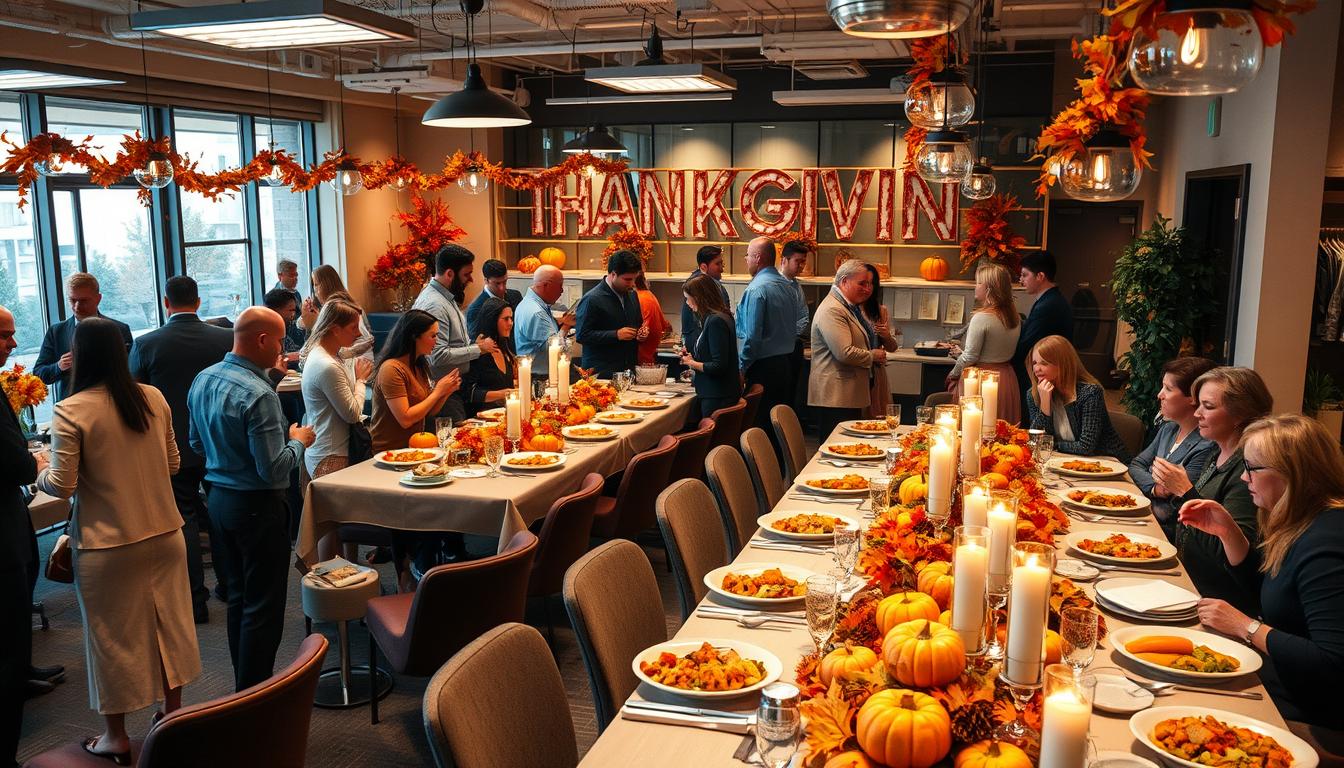

Thanksgiving Recipes for Office Parties
Thanksgiving week is here. For a lot of teams, that means one of the year’s best unofficial traditions. Either before or after the holiday (who

Thanksgiving week is here. For a lot of teams, that means one of the year’s best unofficial traditions. Either before or after the holiday (who

It’s that time of year. The calendar is filling up, decorations are going up, and someone in HR is staring at a blank doc titled,

Per Gallup, only about 2 in 10 employees strongly agree they have a best friend at work. That figure has held stubbornly low for years. That

Psychological safety shows up in every leadership deck and disappears before anyone defines it. HR teams add it to culture surveys. Managers nod at it

The case for gamification sounds straightforward. Add employee points and badges. Watch engagement climb. That’s not exactly what the research shows. Per TalentLMS’s Gamification at Work

Most onboarding isn’t working. Per Gallup, only 12% of employees strongly agree their organization onboards well. Per BambooHR’s First Day Fog report, 32% of new hires leave

Per Training Magazine’s 2025 Training Industry Report cited by Thrive Learning, U.S. organizations spent $102.8 billion on employee training. Average spend per learner is $874, up

Most of the AI conversation at work focuses on tools. Which ones to adopt, how fast to move, what competitive risk comes from falling behind.
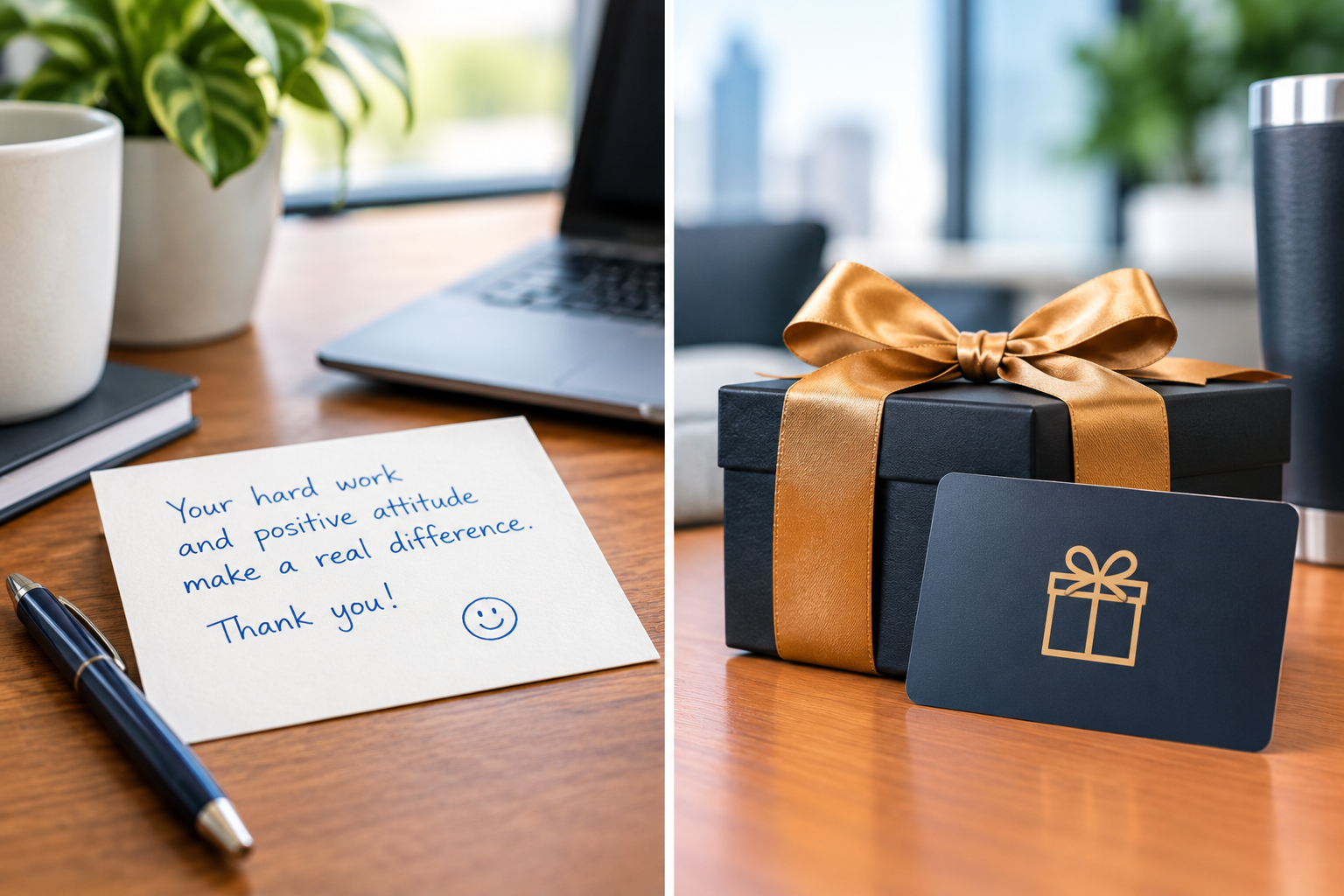
Ask ten HR leaders to define recognition and rewards, and most will use the terms interchangeably. That’s understandable. They live in the same programs and

Most recognition programs are built the same way. A manager notices good work. A manager gives a shoutout, a bonus, or a note. The employee
Mental health benefits used to be a differentiator. A handful of progressive employers offered EAPs or therapy apps, and candidates noticed. That era is over.

Most engagement conversations focus on recognition, culture, and management quality. Those things matter. But there’s a driver sitting underneath all of them that most organizations
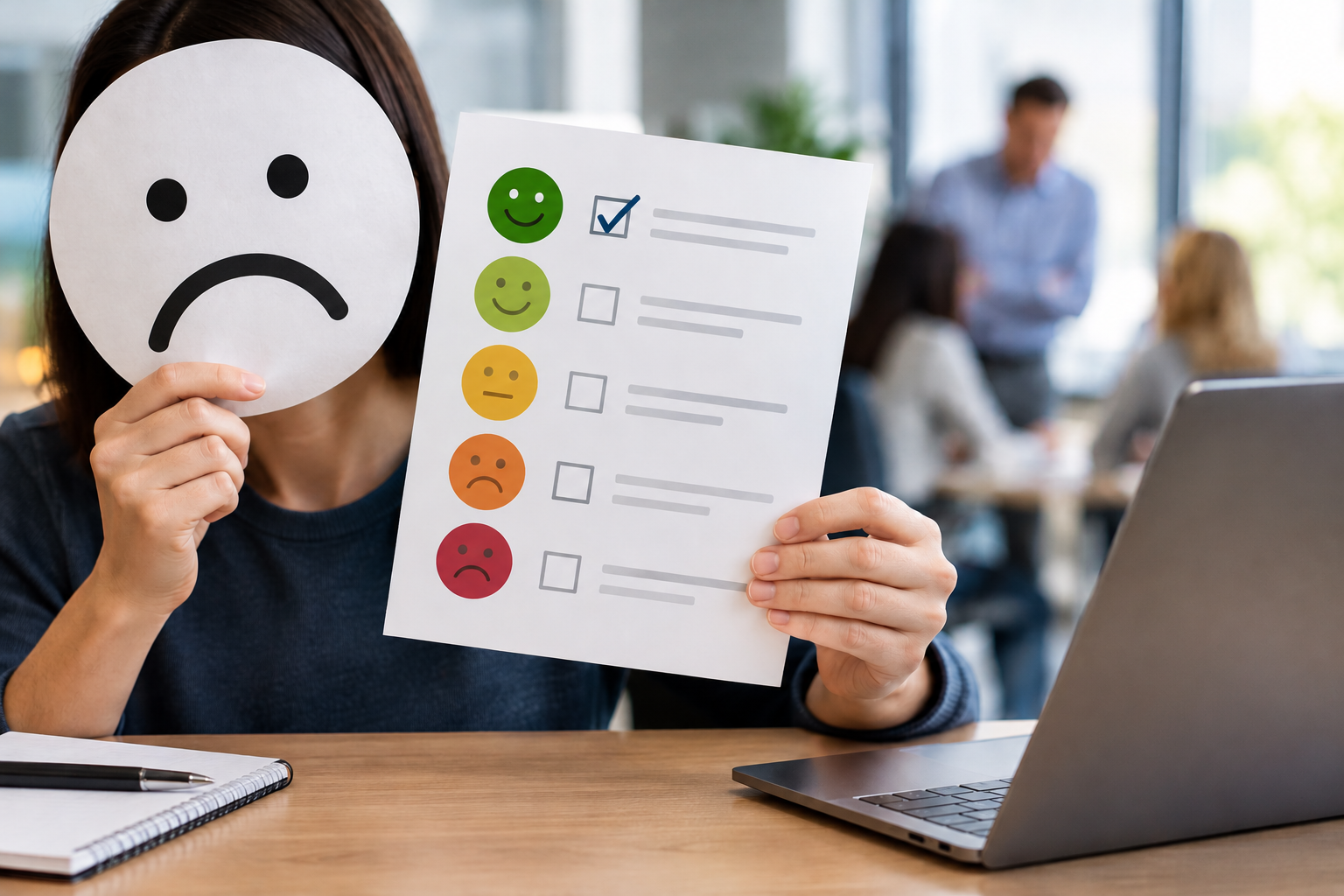
Leadership reviewed the annual engagement survey results. Scores were mostly positive. A few items showed room for improvement, noted for next year. The deck went

Most employee departures look sudden from the outside. Inside the data, they were telegraphed weeks or months in advance. Engagement scores dropped quietly. Absenteeism ticked

For the first time in modern history, five generations work side by side. Traditionalists, Baby Boomers, Gen X, Millennials, and Gen Z are all active

There are 2.7 billion deskless workers globally. Nurses, warehouse operators, store associates, drivers, construction crews, and hospitality teams keep every industry running. Most employee engagement

Middle management’s share of total layoffs jumped from 20% in 2019 to 32% in 2023. That 60% increase reflects a deliberate strategy: eliminate management overhead,

Global employee engagement fell to 20% in 2025. That is the lowest level since 2020 and the second consecutive year of decline, per Gallup’s State
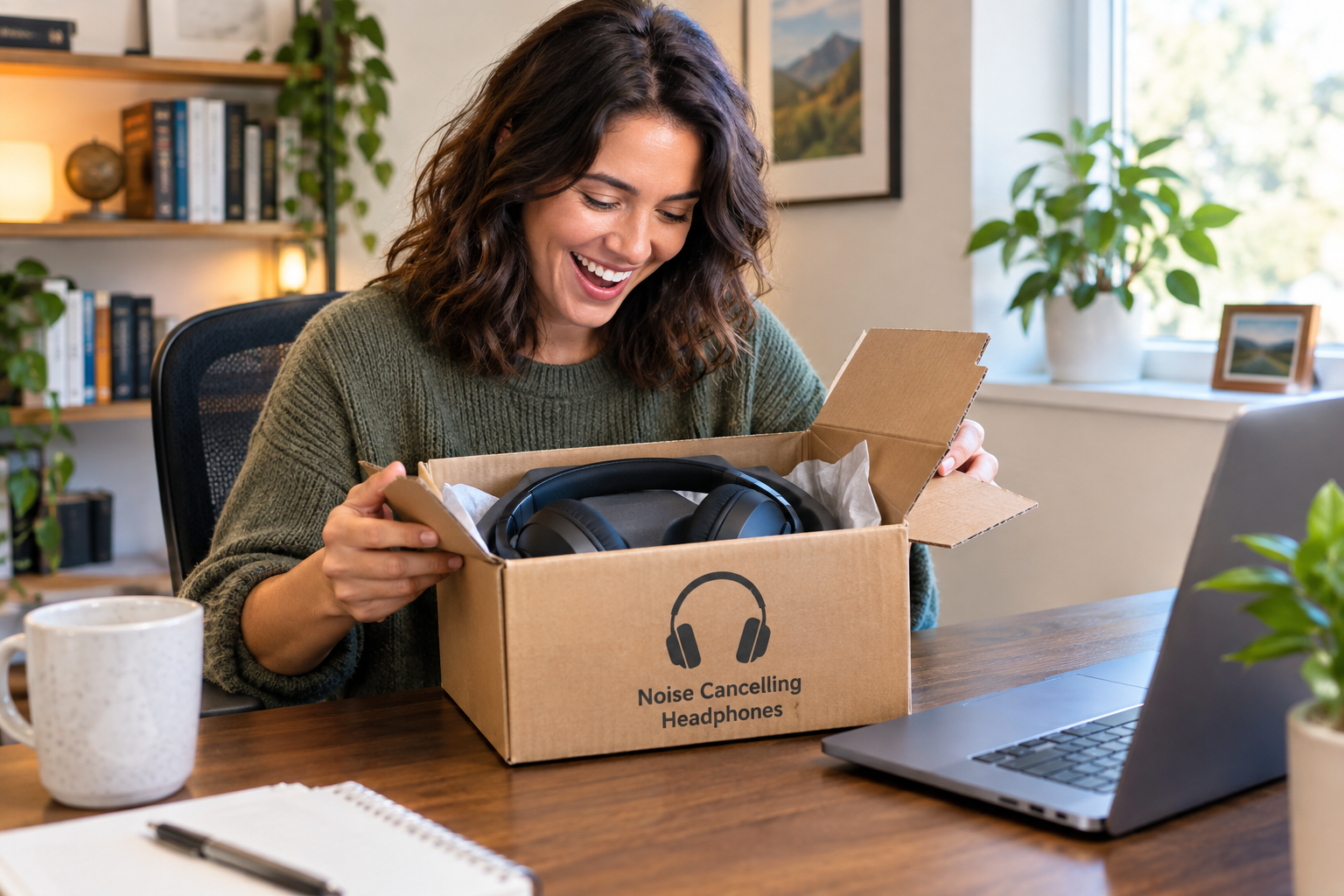
In an office, recognition happens naturally. A manager sees a win, walks over, and says something. A colleague catches a great moment and calls it

Fully remote workers have a 31% engagement rate. That is the highest of any work arrangement, per DailyRemote’s 2026 analysis of Gallup’s State of the Global