
Learning and development have become essential components of employee engagement, retention, and long term business success. As organizations continue to invest in training, the demand for effective Learning Management Systems continues to grow. This guide breaks down the Top training platforms available today, explains what an LMS is, and highlights how these platforms are shaping modern workforce development.
What Is a Learning Management System (LMS)?
A Learning Management System, or LMS, is a software platform designed to deliver, manage, and track training programs. It provides a centralized environment where businesses can assign courses, monitor employee progress, and measure training effectiveness.
According to research from Association for Talent Development, organizations that invest in structured learning programs see higher employee engagement and retention rates. An LMS makes that investment scalable and measurable.
Today, LMS platforms support onboarding, compliance training, leadership development, and continuous upskilling across organizations of all sizes.
Top LMS Platforms in the Market Today
1. Docebo
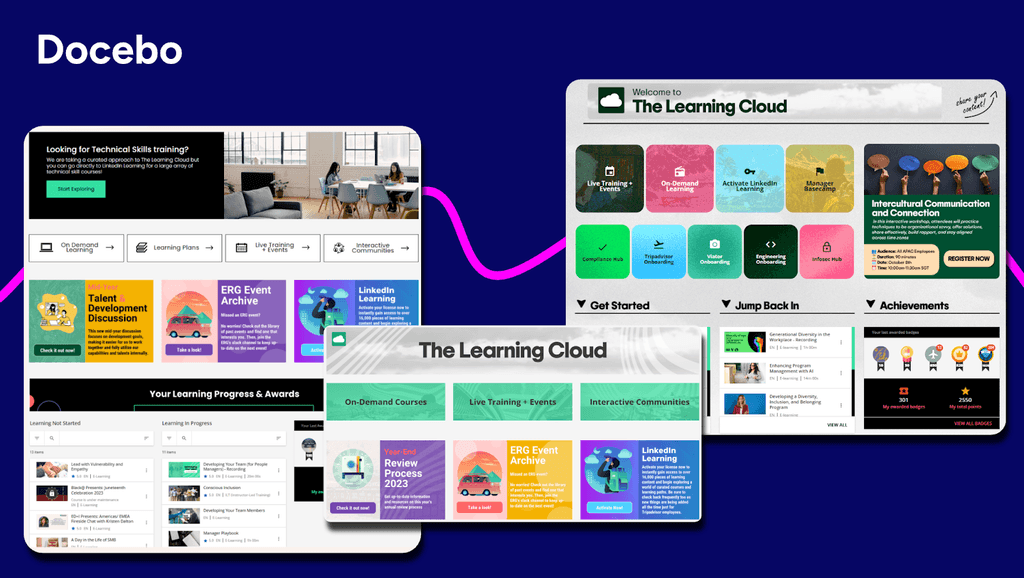
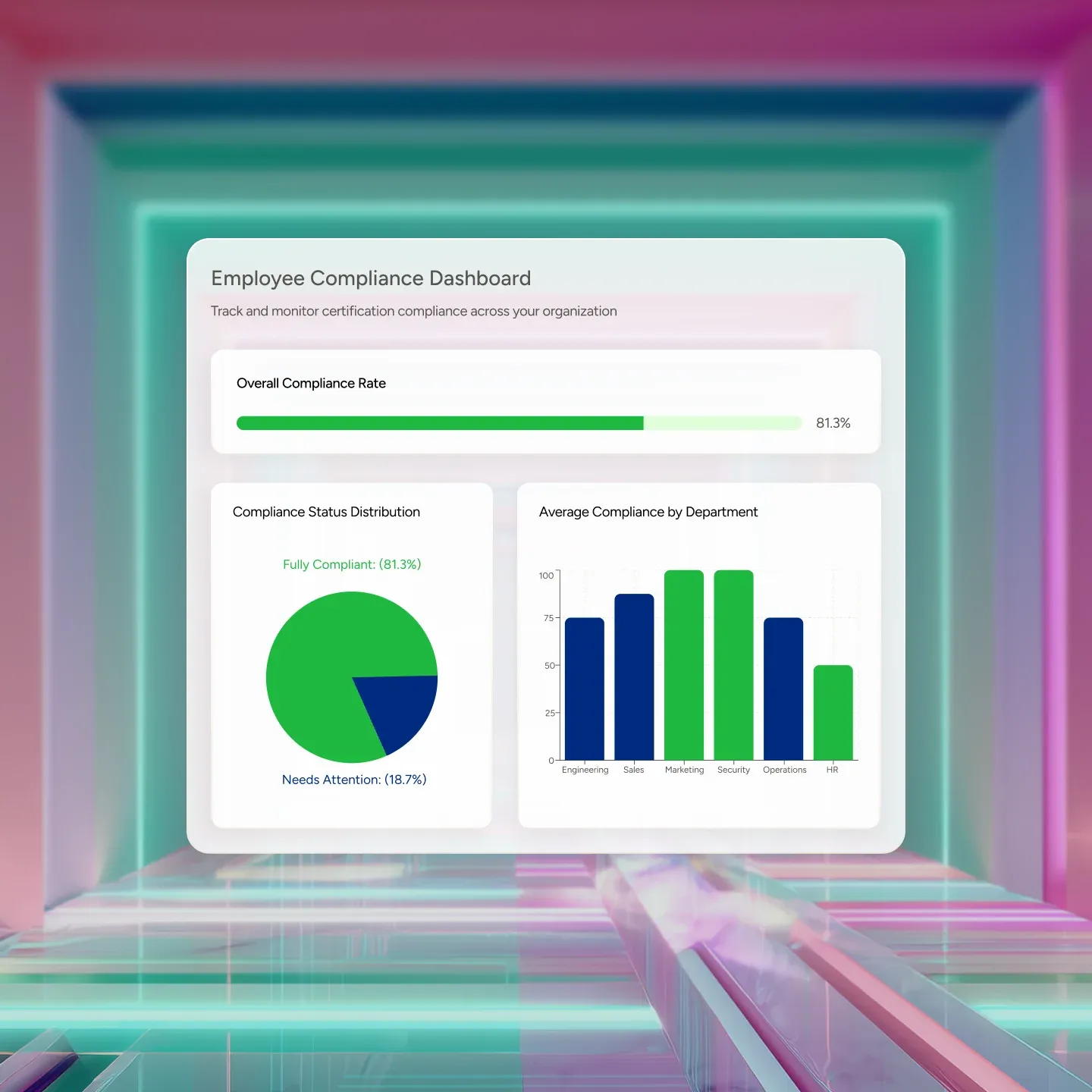
Docebo is widely recognized as one of the most advanced LMS platforms on the market. It uses artificial intelligence to personalize learning paths, recommend content, and automate administrative tasks. Designed for enterprise organizations, Docebo excels in scalability, integrations, and advanced reporting. Companies that need a highly customizable and data driven training solution often turn to Docebo to manage complex learning ecosystems across global teams.
2. TalentLMS
TalentLMS is known for its simplicity and ease of use. It is especially popular among small to mid sized businesses that need to launch training programs quickly without heavy technical requirements. The platform offers intuitive course creation tools, gamification features, and built in reporting. TalentLMS is ideal for organizations that want a clean, efficient solution without sacrificing essential functionality.
3. SAP Litmos
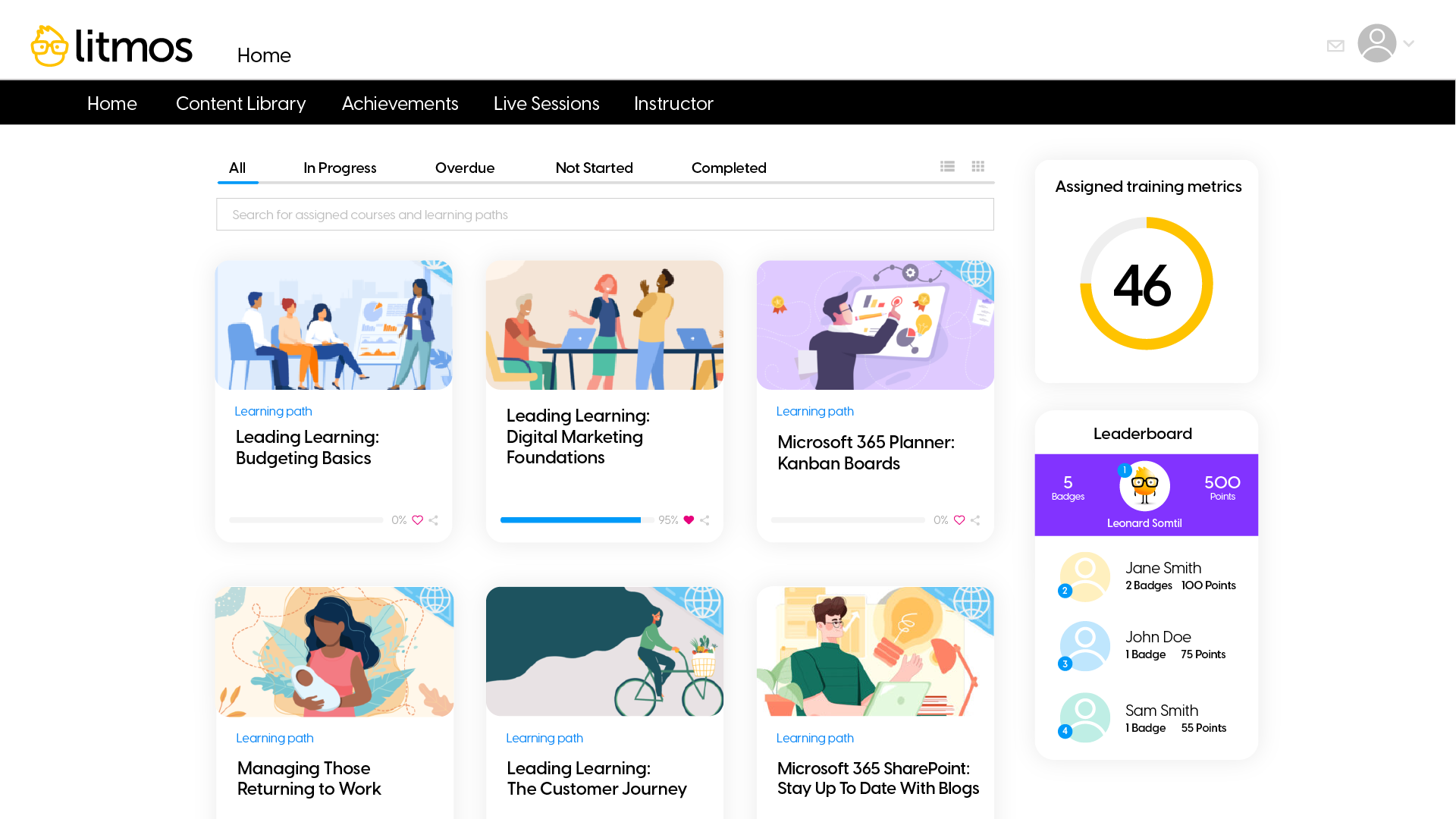
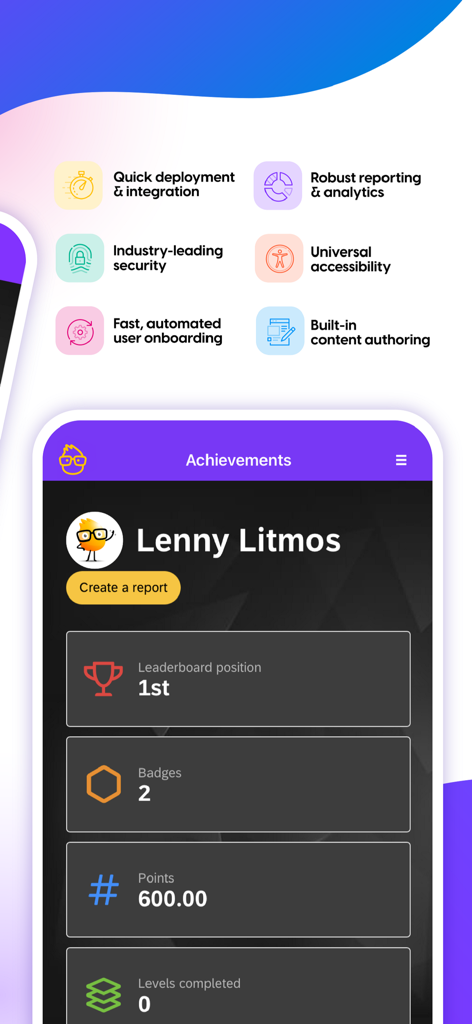
SAP Litmos is a powerful enterprise level LMS designed for speed and scalability. It offers pre built content libraries, automation tools, and strong integrations with other business systems. Litmos is particularly effective for compliance training and large scale workforce enablement. Its ability to deliver training across multiple regions and languages makes it a strong choice for global organizations.
4. Absorb LMS
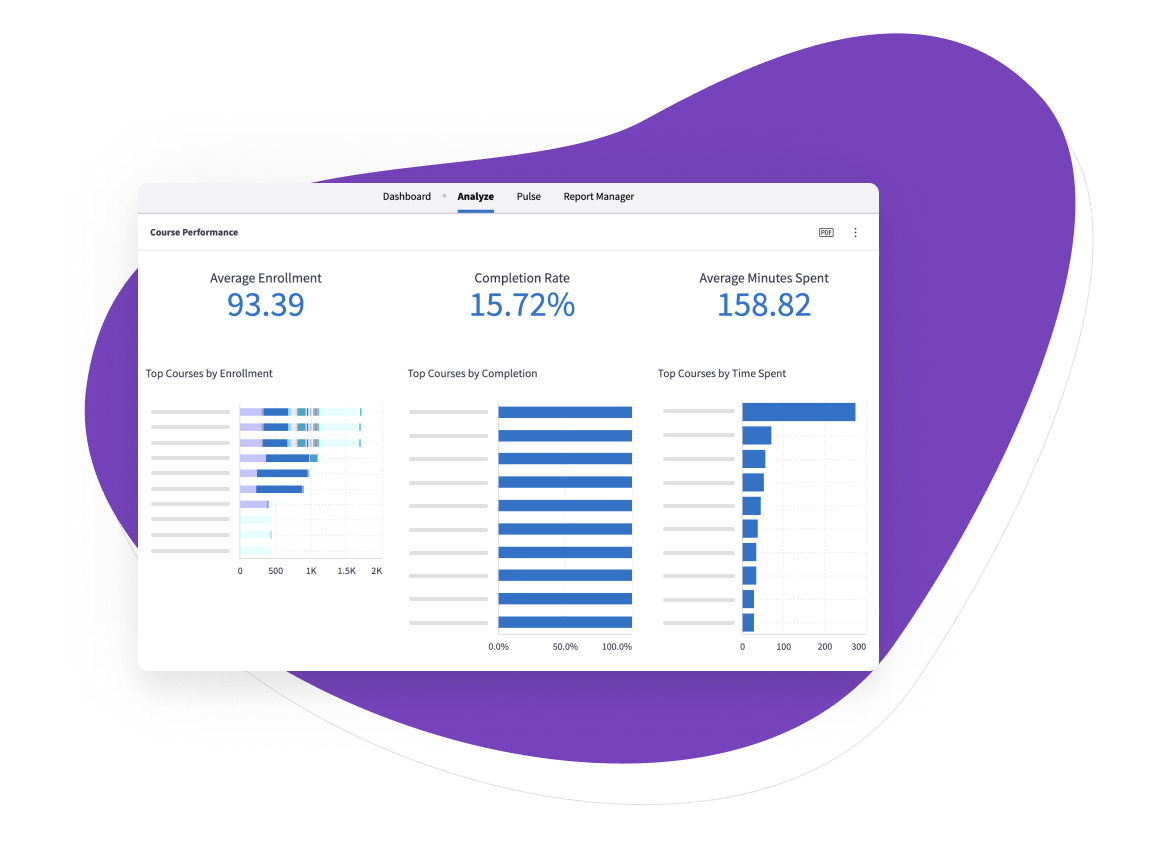
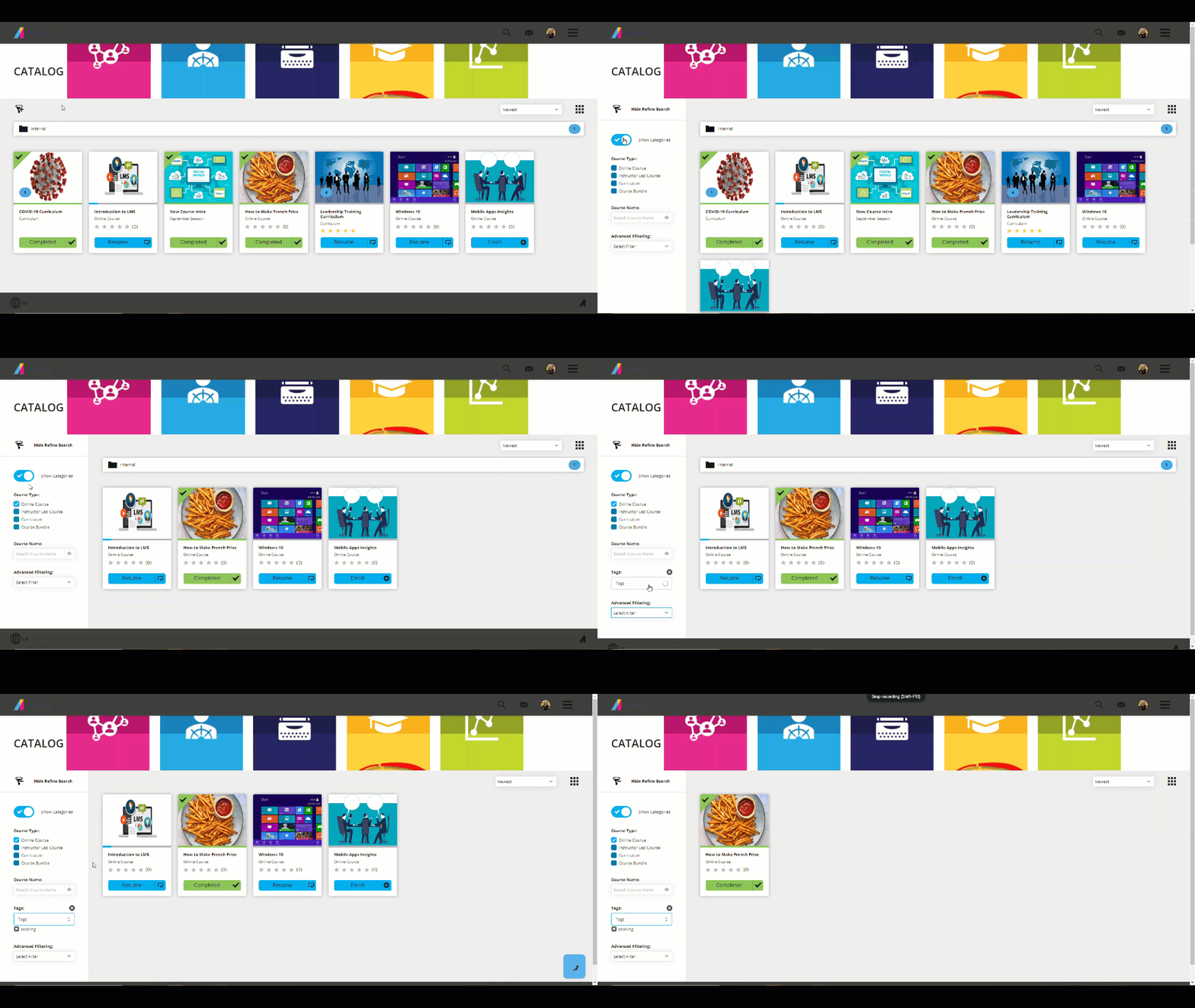
Absorb LMS focuses on delivering a user friendly experience combined with powerful analytics. It provides organizations with deep insights into learner behavior, course effectiveness, and training ROI. Absorb is often praised for its modern interface and flexibility, making it a strong option for companies that want both usability and robust reporting capabilities.
5. Cornerstone OnDemand

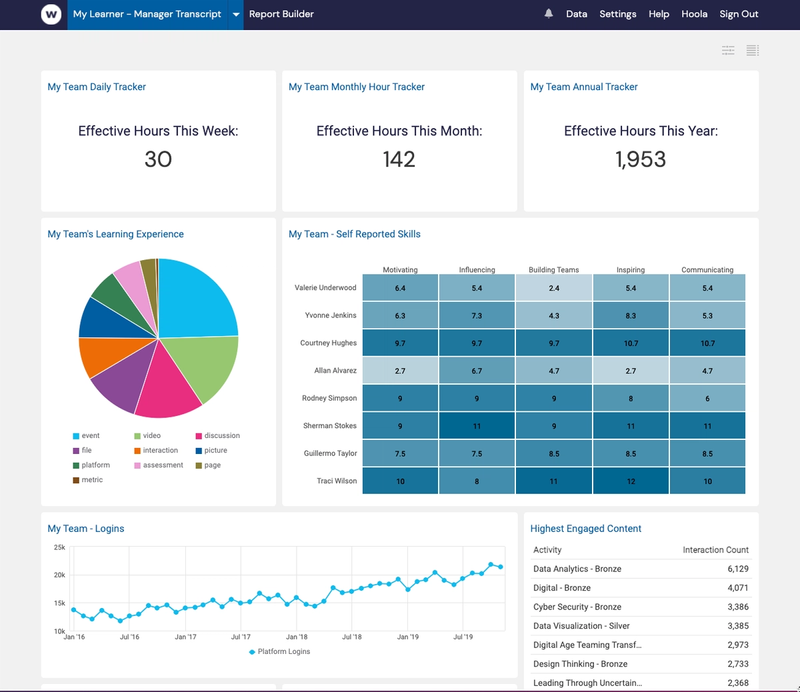
Cornerstone OnDemand goes beyond traditional LMS functionality by combining learning with broader talent management tools. It supports performance tracking, succession planning, and workforce development in addition to training. This makes it a strong choice for enterprises looking to align employee learning with long term business goals and career progression strategies.
6. iSpring Learn

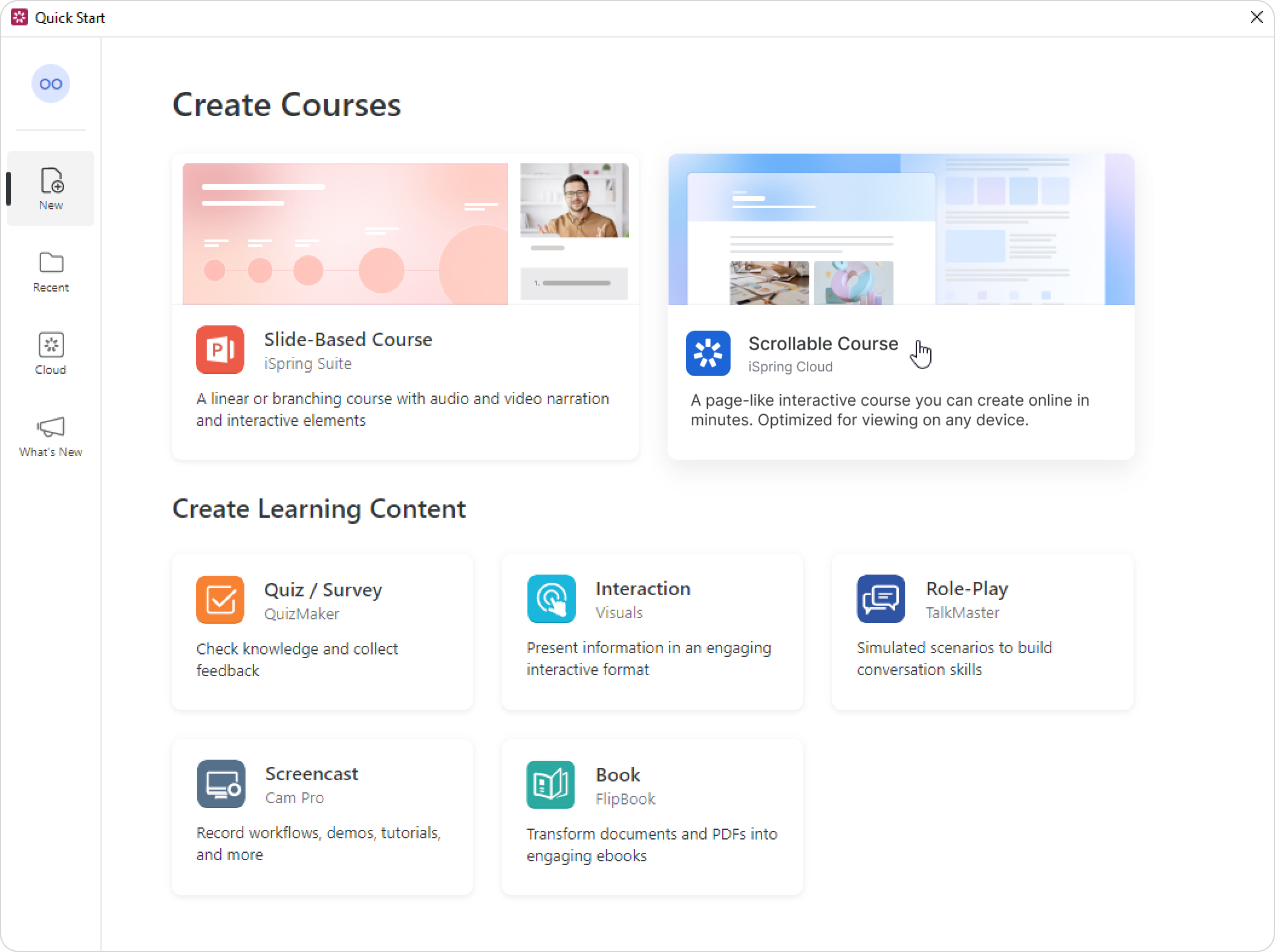

iSpring Learn is known for its speed and ease of implementation. It includes built in authoring tools that allow businesses to create courses quickly without additional software. iSpring Learn is particularly effective for onboarding and sales training, where speed and clarity are critical. Its straightforward interface makes it accessible for both administrators and learners.
7. LearnUpon

LearnUpon is designed to support multiple audiences, including employees, customers, and partners. Its flexibility allows organizations to deliver tailored training experiences across different groups. LearnUpon is particularly strong in customer education and partner enablement, making it a versatile option for growing businesses.
8. Moodle


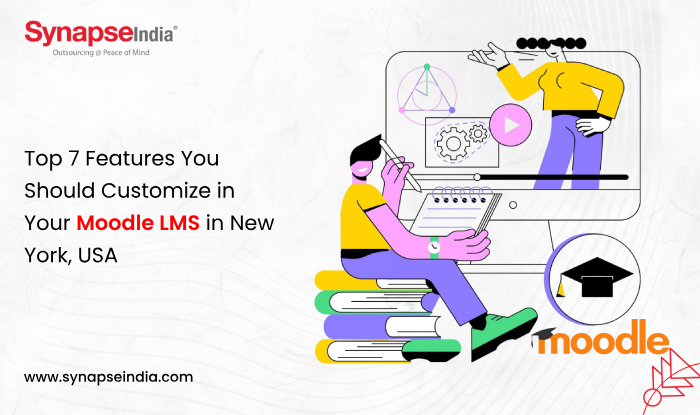
Moodle is one of the most widely used open source LMS platforms in the world. Its biggest strength is flexibility. Organizations can customize nearly every aspect of the platform to fit their needs. While it may require more technical expertise than other platforms, Moodle offers unmatched control and scalability for those willing to invest in customization.
9. 360Learning
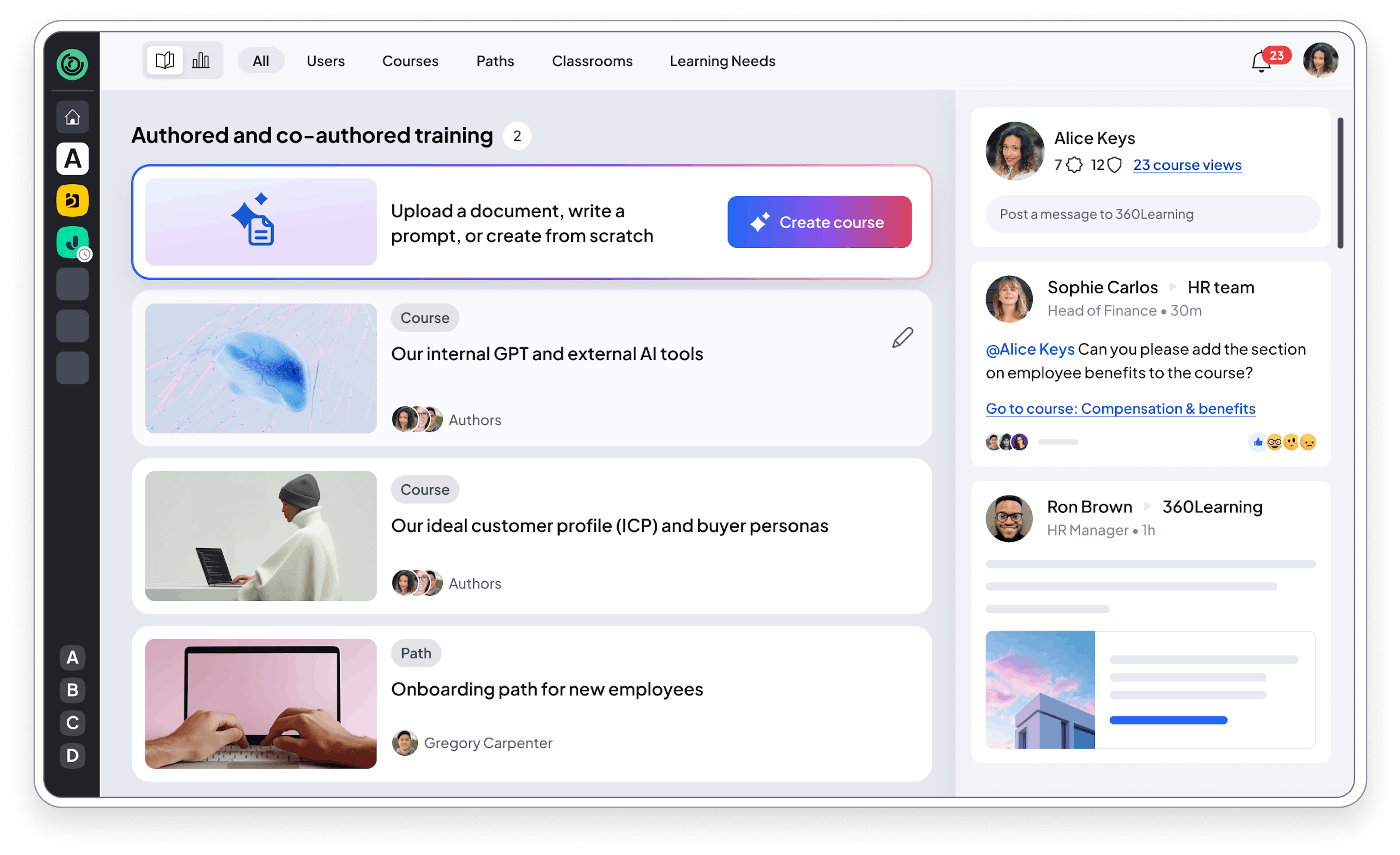
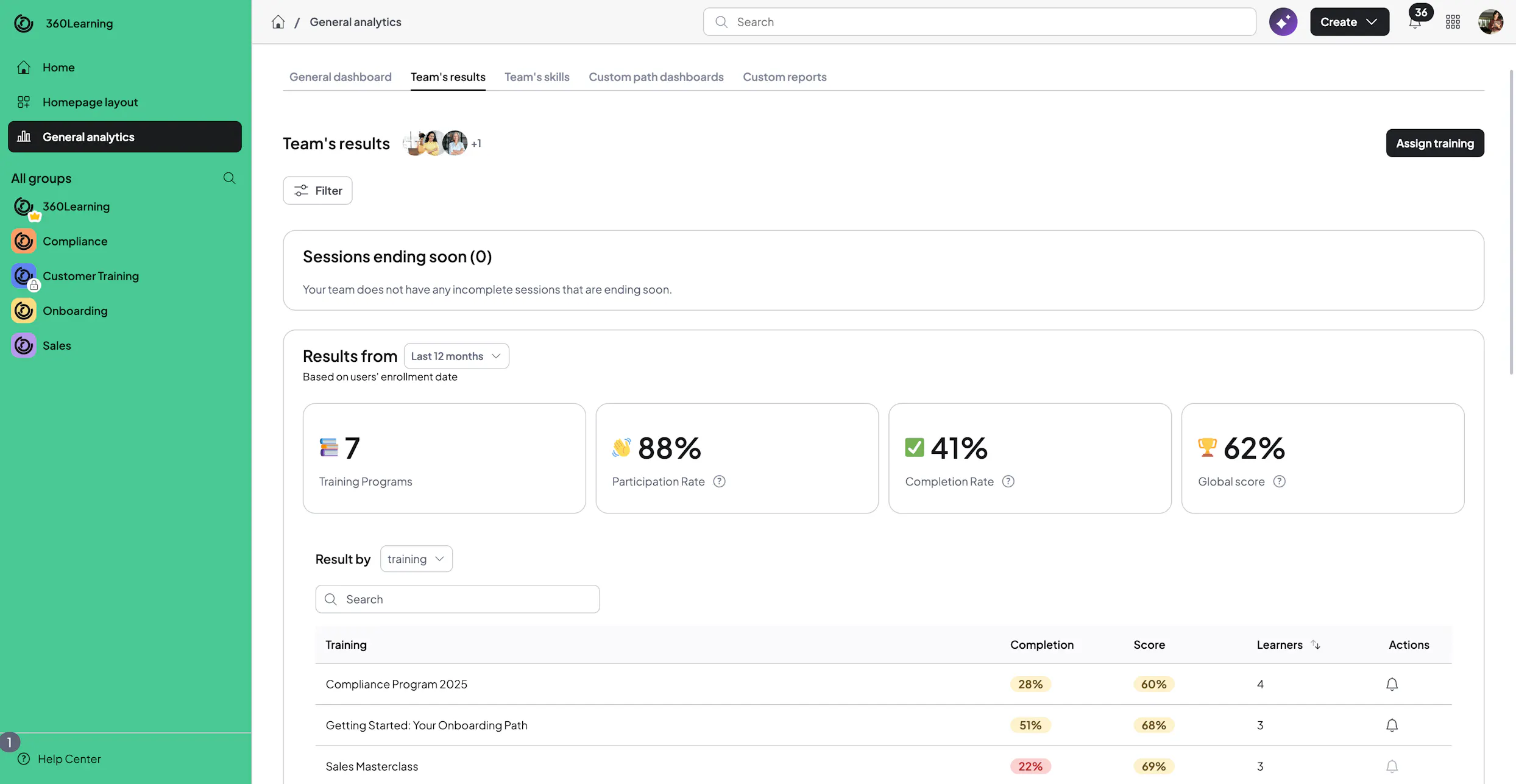
360Learning takes a unique approach by focusing on collaborative learning. Instead of relying solely on top down training, it enables employees to create and share knowledge with one another. This peer driven model helps organizations scale learning organically while increasing engagement and knowledge retention.
10. LearnWorlds
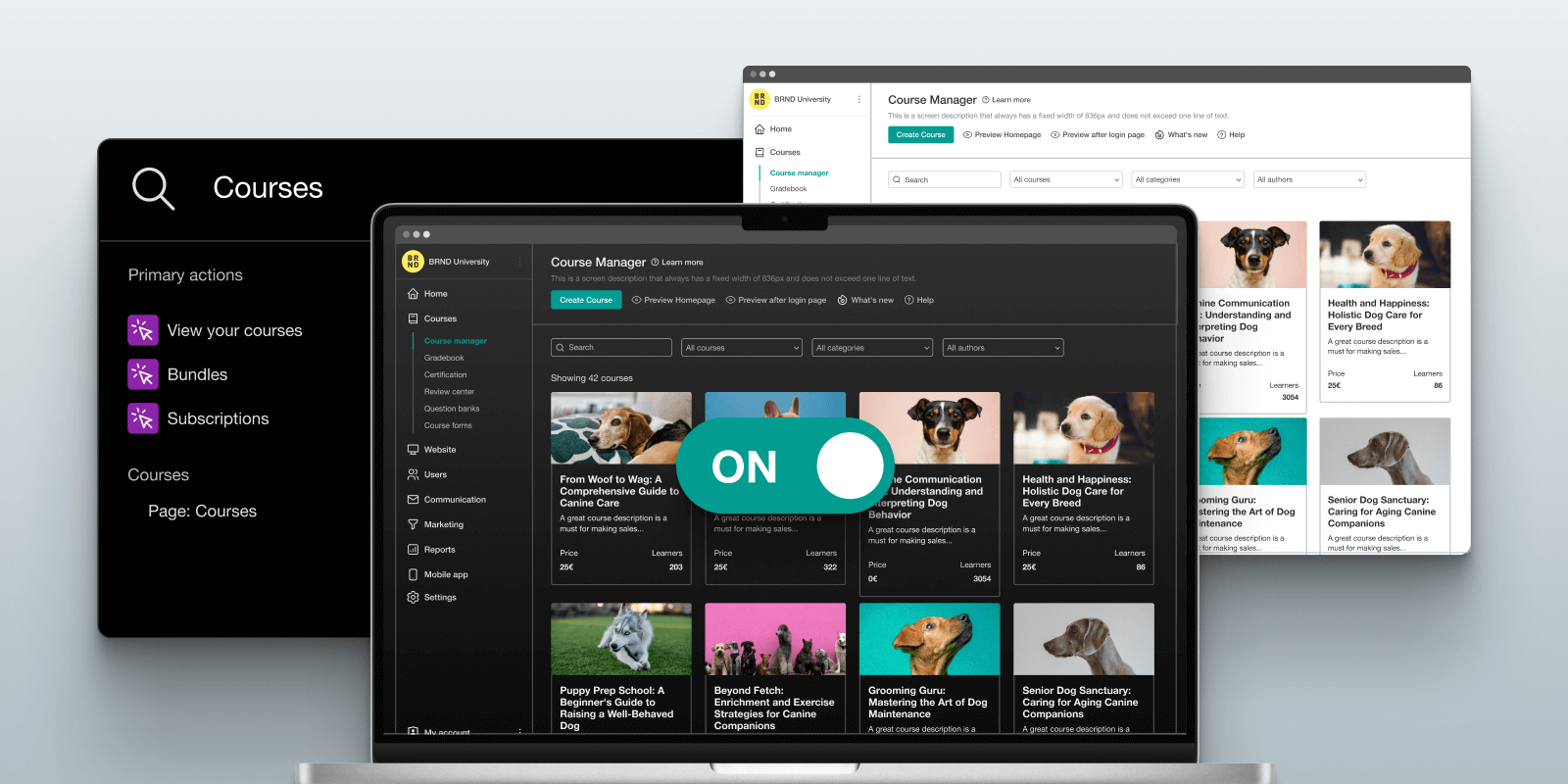

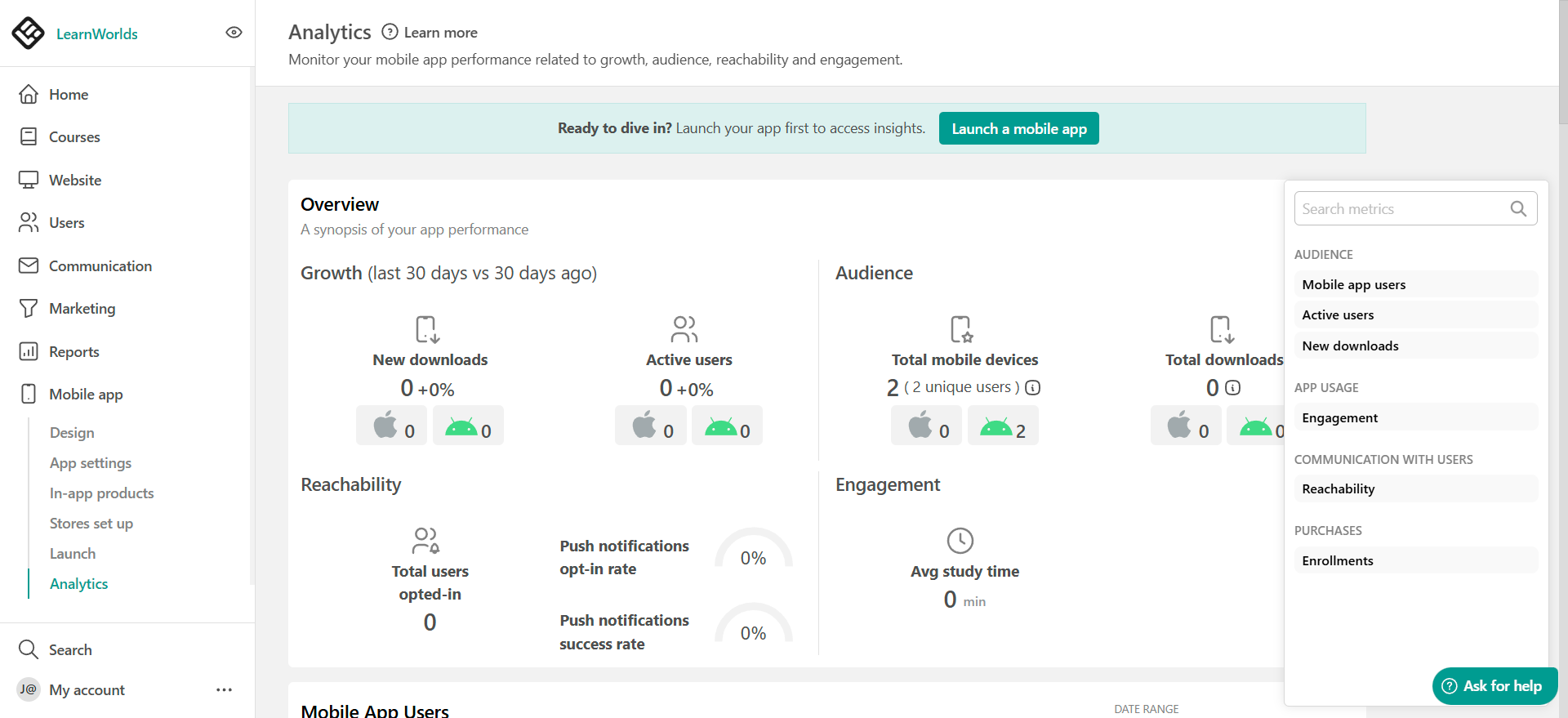
LearnWorlds is designed for creating highly interactive and engaging learning experiences. It offers features like interactive videos, assessments, and customizable course environments. LearnWorlds is particularly popular among organizations and entrepreneurs who want to deliver visually rich and immersive training programs.
Why Are We Talking About Our Competitors?
It may seem unusual to highlight other LMS platforms in an article like this.
But these are the companies setting expectations in the market. They are the platforms businesses are actively comparing when making decisions about training and development.
They are also exactly who Fun Intended has been building its platform to compete with.
Understanding what exists today is the first step in building something better for tomorrow.
Where Traditional LMS Platforms Fall Short
Most LMS platforms are excellent at delivering training. But many operate in isolation.
They often lack seamless integration with other key engagement drivers such as recognition, mentorship, and gamification. This creates gaps in the employee experience where learning is disconnected from motivation and performance.
A More Connected Approach to Employee Engagement
A modern approach connects training with engagement.
Instead of treating LMS as a standalone tool, businesses can integrate learning with:
Rewards and recognition
Mentorship programs
Gamification systems
Real time engagement insights
This creates an environment where employees are not only learning, but also feeling supported, recognized, and motivated.
The Future of LMS Platforms
The future of LMS is not just about delivering content.
It is about creating a complete employee experience.
Organizations are moving toward platforms that connect learning with performance, engagement, and retention. The companies that succeed will be the ones that bring all of these elements together in one cohesive system.