

Why Your Engagement Survey Scores Are Lying to You
Leadership reviewed the annual engagement survey results. Scores were mostly positive. A few items showed room for improvement, noted for next year. The deck went

Leadership reviewed the annual engagement survey results. Scores were mostly positive. A few items showed room for improvement, noted for next year. The deck went

Most employee departures look sudden from the outside. Inside the data, they were telegraphed weeks or months in advance. Engagement scores dropped quietly. Absenteeism ticked

For the first time in modern history, five generations work side by side. Traditionalists, Baby Boomers, Gen X, Millennials, and Gen Z are all active

There are 2.7 billion deskless workers globally. Nurses, warehouse operators, store associates, drivers, construction crews, and hospitality teams keep every industry running. Most employee engagement

Middle management’s share of total layoffs jumped from 20% in 2019 to 32% in 2023. That 60% increase reflects a deliberate strategy: eliminate management overhead,

Global employee engagement fell to 20% in 2025. That is the lowest level since 2020 and the second consecutive year of decline, per Gallup’s State

In an office, recognition happens naturally. A manager sees a win, walks over, and says something. A colleague catches a great moment and calls it

Fully remote workers have a 31% engagement rate. That is the highest of any work arrangement, per DailyRemote’s 2026 analysis of Gallup’s State of the Global

Retail turnover has hovered between 60% and 65% annually for years. In some segments it runs even higher. The average retail operation replaces more than

Voluntary turnover costs U.S. businesses over $700 billion annually. According to Phenom’s 2026 employee retention strategies guide, citing Work Institute’s 2024 Retention Report, 63% of those
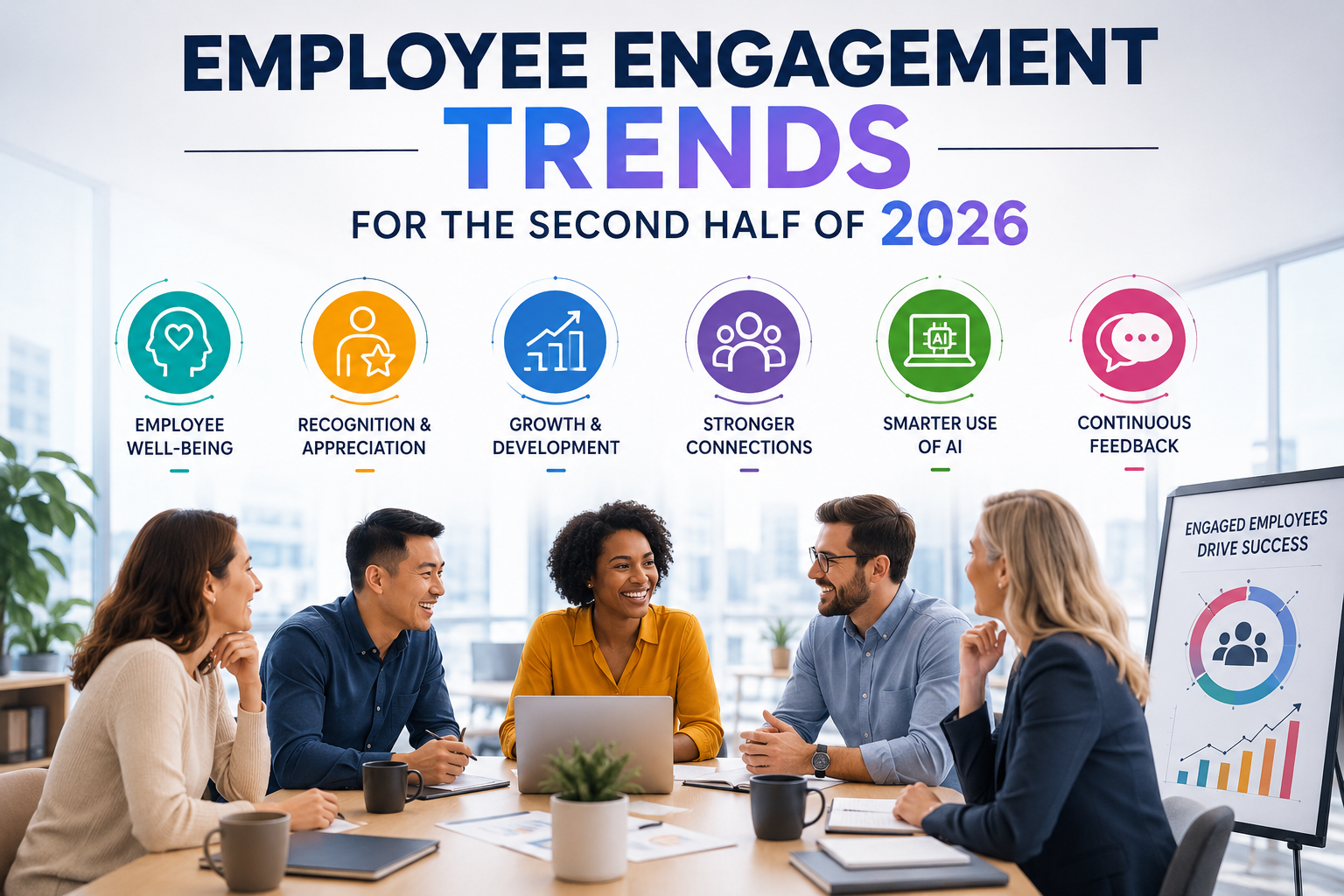
Global employee engagement fell to 20% in 2025. These employee engagement trends mark the second consecutive year of decline and the lowest level since 2020,

Global employee engagement fell to 20% in 2025. That is its lowest level since 2020, according to Gallup’s State of the Global Workplace 2026 report, covered
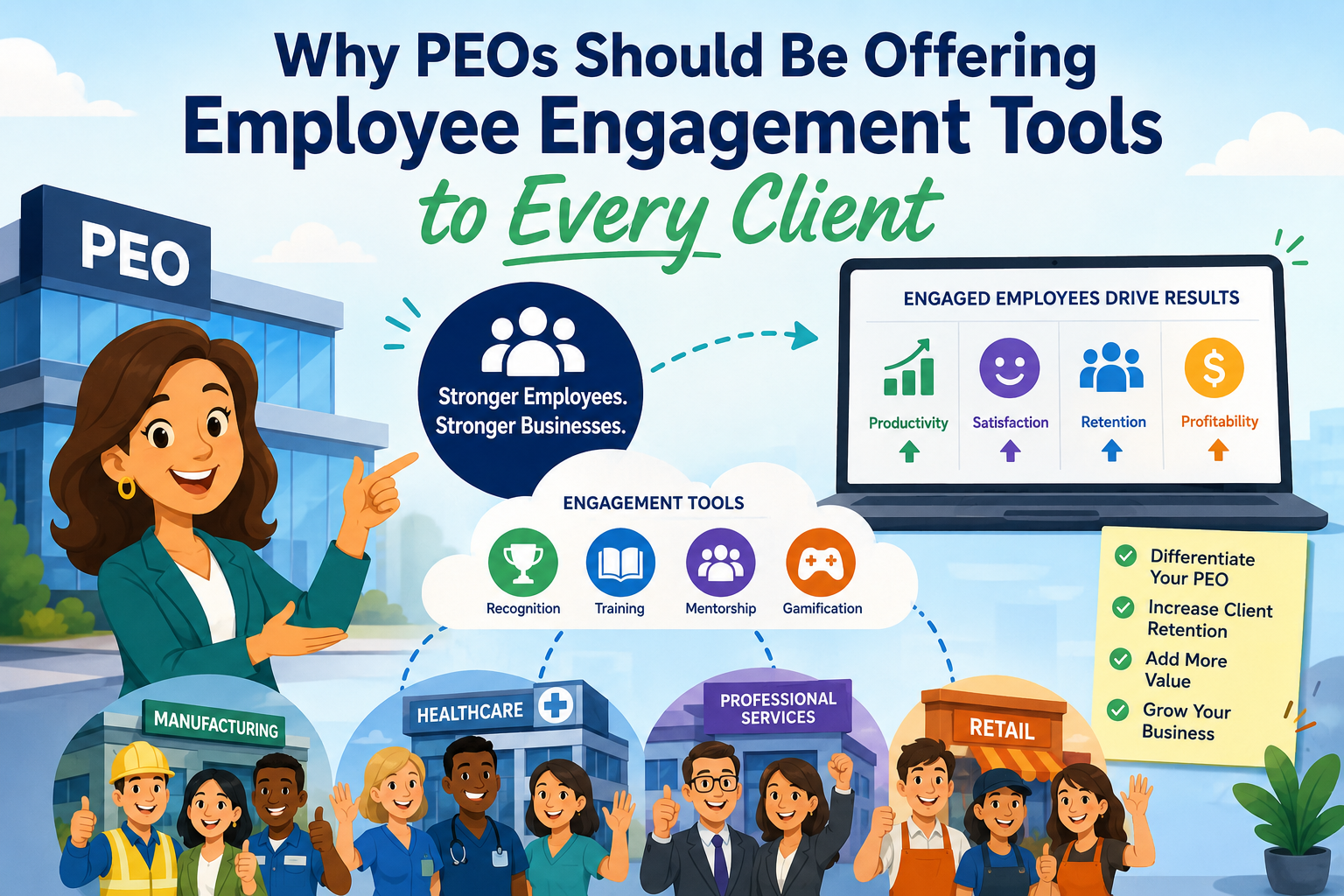
According to Future Market Report’s PEO platform analysis, the Professional Employer Organization market was valued at $14.5 billion in 2024. It is projected to reach $32.5
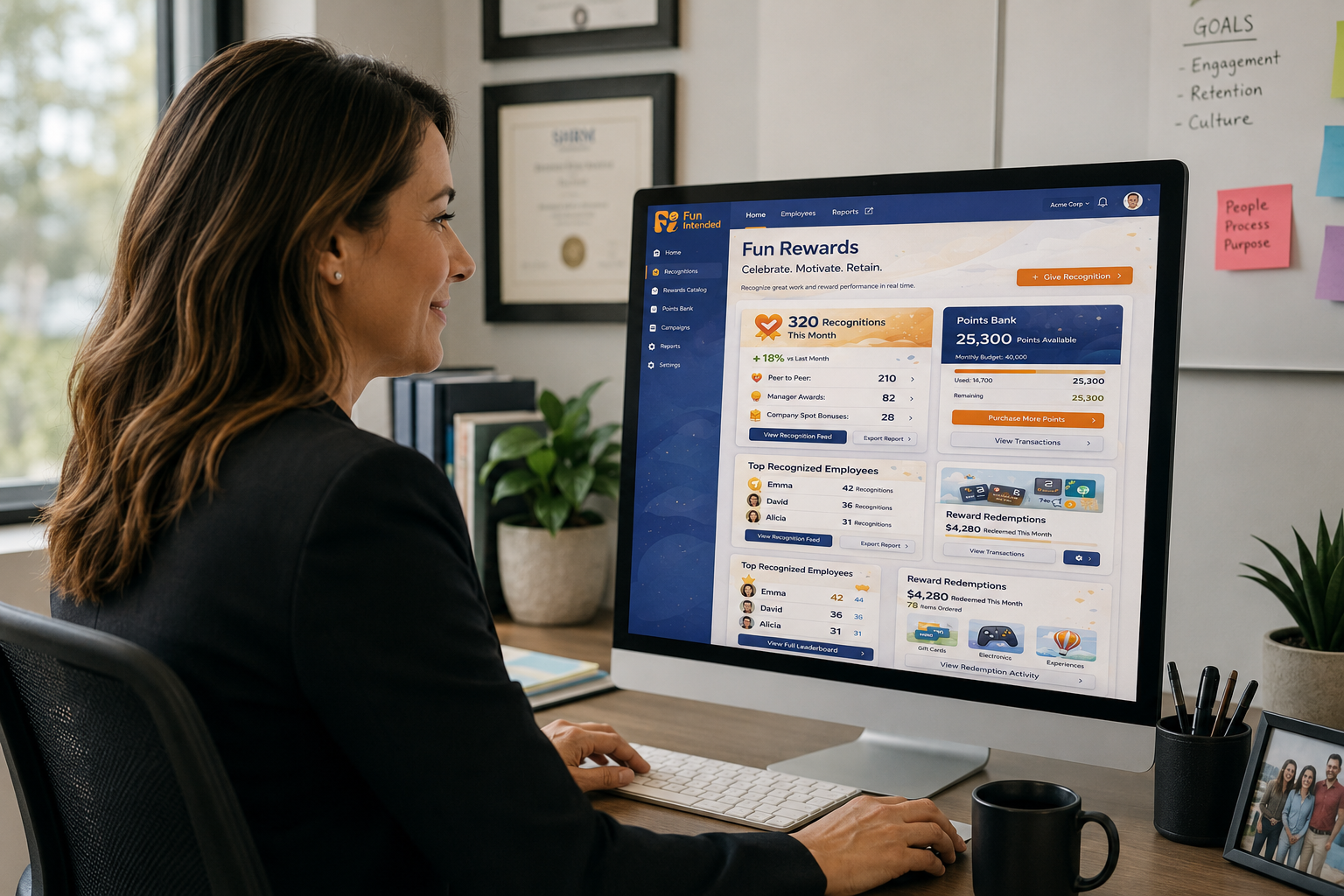
HR teams carry more responsibility than most people realize. They recruit, onboard, manage retention, navigate compliance, handle conflicts, and hold culture together at the same

Only 47% of employees strongly agree they have the skills needed to excel in their current role. Sixty-two percent of HR leaders say the current-to-future

Most companies deploy their employee recognition program ideas in predictable places. Sales hits a number and gets a bonus. Someone completes a training module and

San Antonio is one of the fastest-growing metros in the United States. Greater:SATX named it the fastest-growing metro in the country, and the region added significant

41% of HR leaders believe a lack of employee development initiatives is driving their skills gap. Only 33% of employees think their employers are actually

Traditional mentorship flows in one direction. A senior employee with years of experience guides a junior employee who is still building theirs. That model has

Most companies manage employee engagement and customer experience as separate functions. One lives in HR. The other lives in customer success or marketing. That separation